Cotton is often hailed as the king of natural fibers. From its breathable softness to its versatility across product categories, cotton remains a cornerstone in both traditional and modern textile industries. But not all cotton is created equal. As consumer expectations shift toward sustainability and transparency, it is crucial to understand the differences between cotton types: conventional cotton, Australian cotton, and new innovations such as Eco Indigo Cotton.
Conventional Cotton: Widespread, But Not Without Challenges
Conventional cotton refers to cotton produced using traditional farming methods, which often involve intensive water use, synthetic fertilizers, and pesticides. While it is still the most widely used cotton in the world – largely due to cost efficiency and availability – it raises concerns around environmental impact and fiber contamination.
Cotton with spandex, for example, is commonly made from conventional cotton blended with elastane to achieve stretch properties. While effective in function, it’s increasingly scrutinized in the era of conscious consumption.
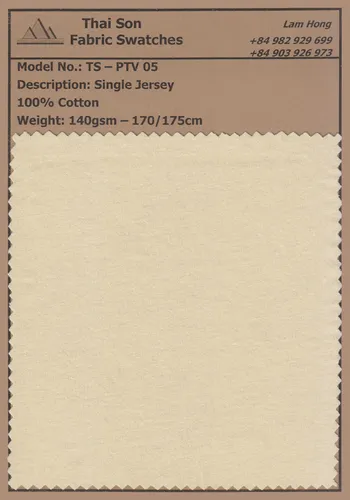
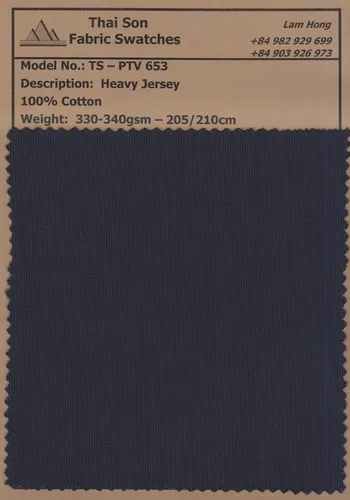
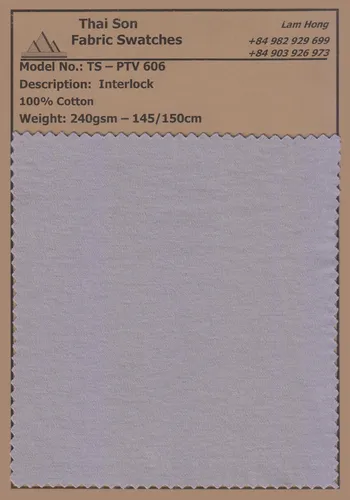
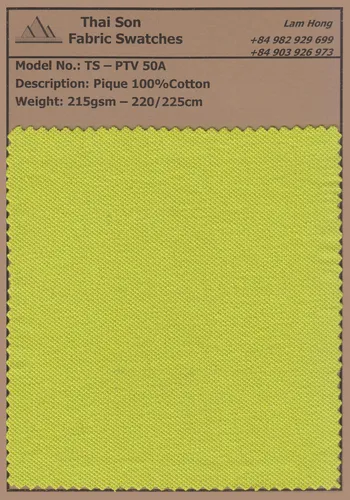
Fabric swatches from 100% Australian Cotton with different structures made in Vietnam by Thai Son S.P
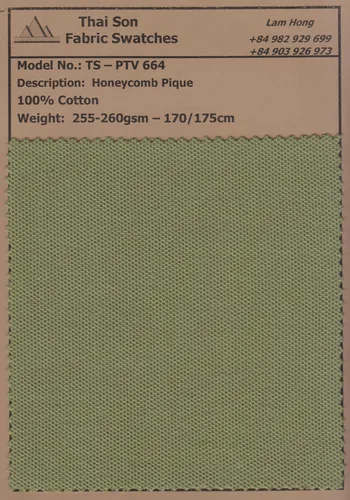
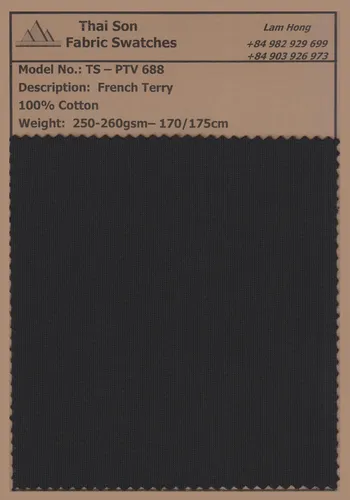
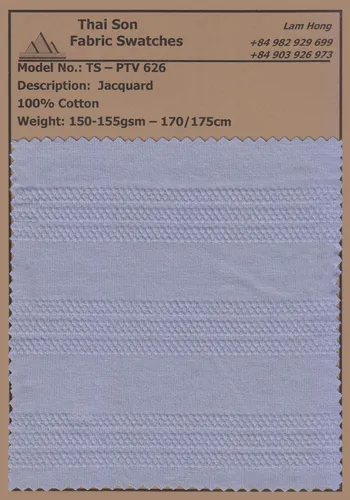
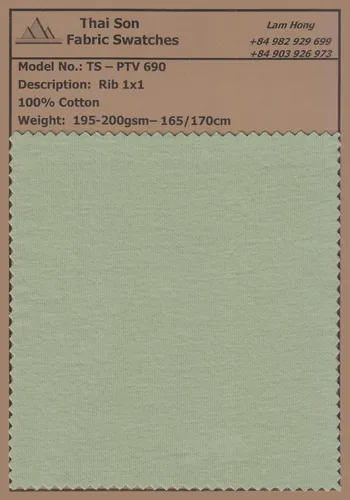
Fabric swatches from 100% Cotton with different structures made in Vietnam by Thai Son S.P
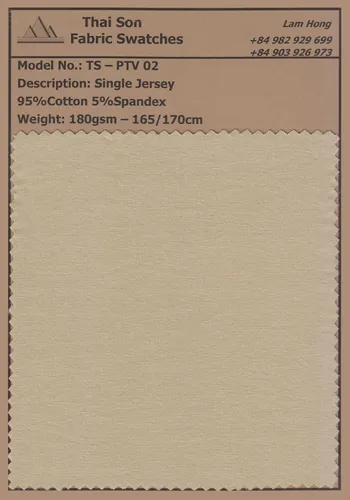
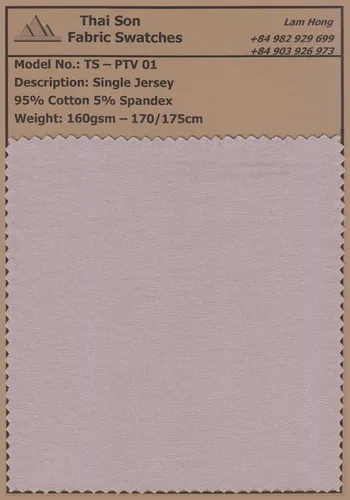
Fabric swatches from 95% Cotton 5% Spandex with different structures made in Vietnam by Thai Son S.P
Conventional cotton vs organic cotton: Organic cotton is grown without synthetic chemicals or GMOs, whereas conventional cotton relies heavily on them. However, some innovations like Australian cotton now offer a sustainability-focused middle ground, even without the “organic” label.
Australian Cotton: Sustainable Cotton with Technical Excellence
When it comes to sustainable cotton, Australia sets a global benchmark. Grown mainly in New South Wales and Queensland, Australian cotton is machine-harvested for optimal cleanliness and traceability. Its fibers are long, white, and strong—ideal for premium garments and consistent spinning results.
Why is Australian cotton the best choice for many brands?
- 97% reduction in pesticide use over the past two decades
- 48% water savings thanks to advanced irrigation systems
- Blockchain traceability from field to fabric
- Certified under the myBMP (Best Management Practices) program
While not always certified organic, Australian cotton often exceeds environmental standards, making it a go-to for brands seeking both quality and accountability.
Whether you are sourcing Australian cotton fabric for activewear, shirts, or children’s clothing, you can expect consistent softness, durability, and eco-conscious performance.
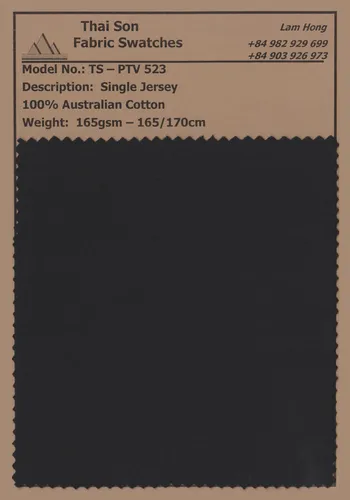
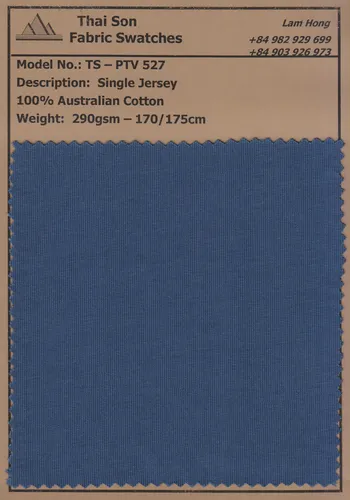
Fabric swatches from Single Jersey 100% Australian Cotton 165 – 290gsm made in Vietnam by Thai Son S.P
Eco Indigo Cotton: Innovation in Color, Efficiency in Production
What is indigo material? Why is natural indigo so expensive?
Traditionally used in denim, indigo dye offers a rich blue color but is notorious for its environmental footprint due to water and chemical usage. Natural indigo is derived from plants, requiring complex cultivation and extraction processes. Eco Indigo offers a modern compromise: industrial efficiency with lower environmental harm.
Eco Indigo Cotton addresses these concerns head-on. By using pre-reduced indigo in a closed-loop or low-liquor dyeing system, it significantly reduces environmental impact:
- Up to 70% less water usage
- Lower chemical discharge
- Shorter processing time
- Better color consistency
This makes Eco Indigo Cotton a smart, sustainable alternative for fashion brands producing jeans, T-shirts, and casualwear.
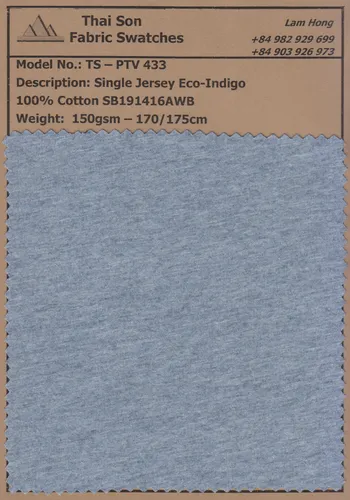
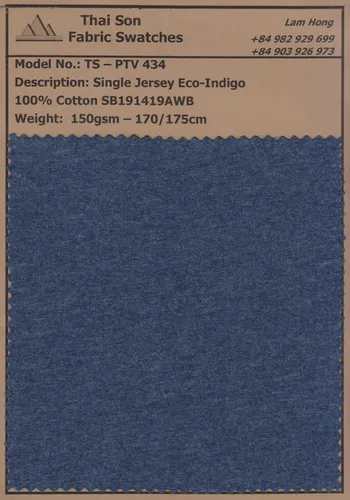
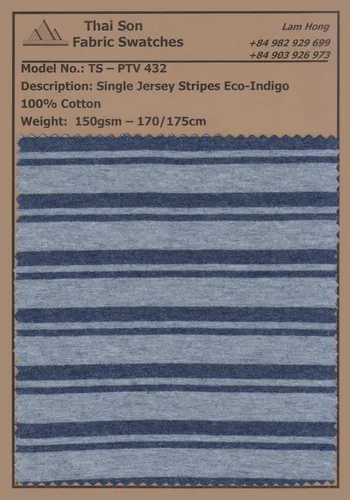
Fabric swatches from Single Jersey Eco Indigo 100% Cotton 150 – 170gsm made in Vietnam by Thai Son S.P
OE Cotton: A Modern Take on Spinning
OE (Open-End) cotton is a more efficient and sustainable approach to spinning. Instead of traditional ring spinning, OE uses a rotor to produce yarn faster, with less energy use and minimal fiber waste. While OE yarn is slightly bulkier, it’s ideal for mass production of medium-weight fabrics like fleece, T-shirts, or lounge sets.
OE Cotton vs conventional ring-spun cotton:
- Faster production
- Less fiber waste
- Slightly coarser texture
- Lower cost
At Thai Son S.P, we develop OE Cotton under one roof in Vietnam, ensuring speed, consistency, and quality for export-ready garments.
OE Cotton: A Modern Take on Spinning
“Best” depends on your sourcing priorities:
| Cotton Type | Strengths | Challenges |
|---|---|---|
| Conventional Cotton | Affordable, widely available | Environmental concerns |
| Organic Cotton | Chemical-free, consumer trust | Limited yields, higher cost |
| Australian Cotton | Technically excellent, traceable, sustainable | May not be “organic” certified |
| OE Cotton | Efficient, eco-friendlier spinning | Slightly less soft |
| Eco Indigo Cotton | Cleaner dyeing process, cost-effective | Mainly for indigo-based products |
| Pima / Supima Cotton | Extra-long staple (ELS), luxurious softness, excellent durability | Premium price point, mainly grown in the USA |
Looking for where to buy cotton fabric or wondering where is the best cotton fabric from? Brands around the world are increasingly turning to countries like Australia, the USA, India, Egypt, Pakistan and Vietnam for high-quality, traceable, and responsibly produced cotton.
Explore more about our Supima Cotton collection here.
Cotton Is King, But Now It Must Be Smarter
As the textile industry embraces eco-conscious innovation, cotton remains king, but it is undergoing a renaissance. The evolution of spinning, dyeing, and farming practices has created a new generation of cotton materials that balance tradition with progress.

At Thai Son S.P, we are proud to offer a curated range of cotton fabrics from Australian cotton to Eco Indigo Cotton and OE cotton and Supima Cotton, which are all produced with a focus on sustainability and performance.
📩 Contact us today to learn how our fabrics can support your brand’s commitment to comfort, durability, and environmental responsibility.