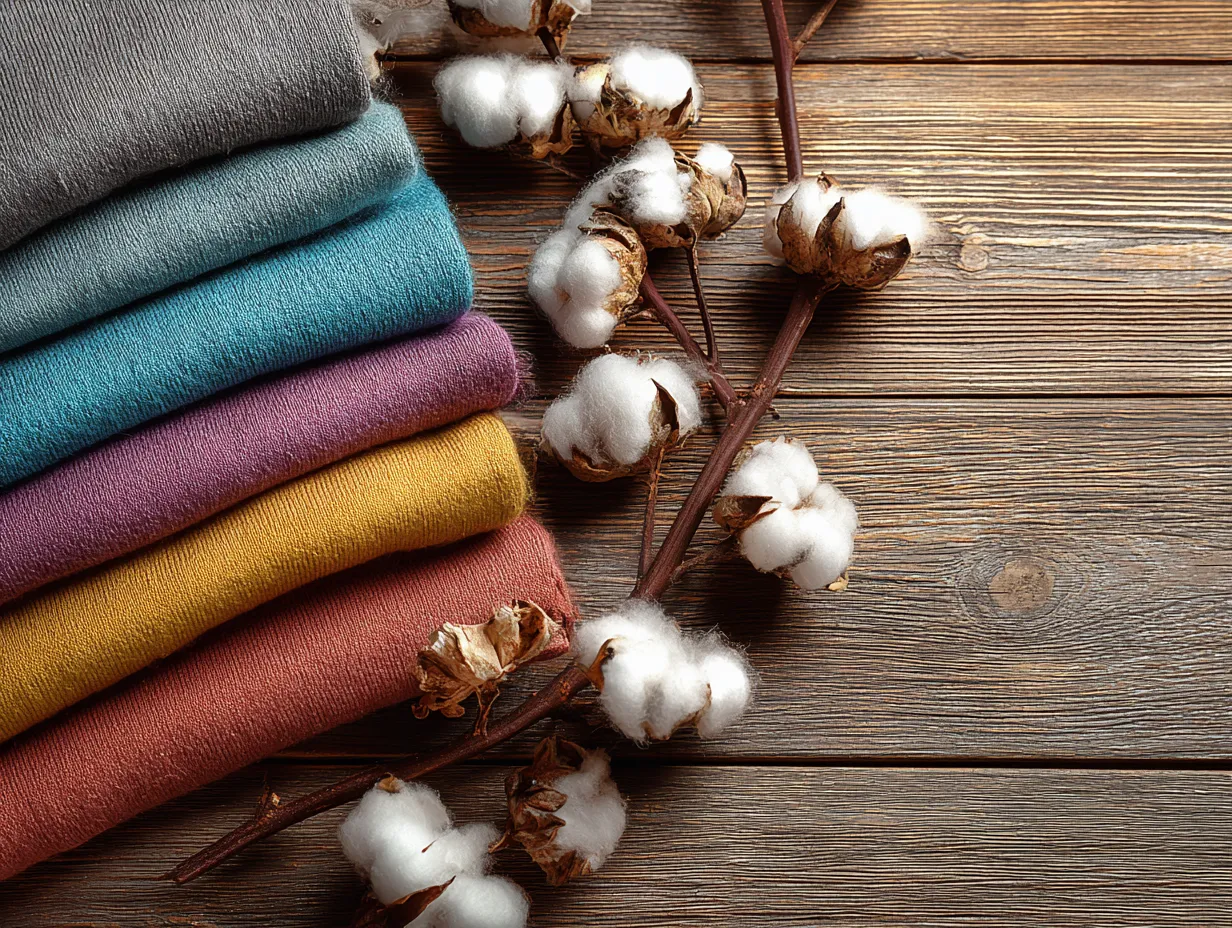
Supima cotton is one of the world’s most luxurious types of cotton, grown exclusively in the United States. It’s known for its extra-long staple (ELS) fibers that average 1.5 inches in length, nearly twice as long as regular cotton. These long fibers contribute to exceptional softness, strength, and color retention, making Supima an ideal choice for high-end textile applications.
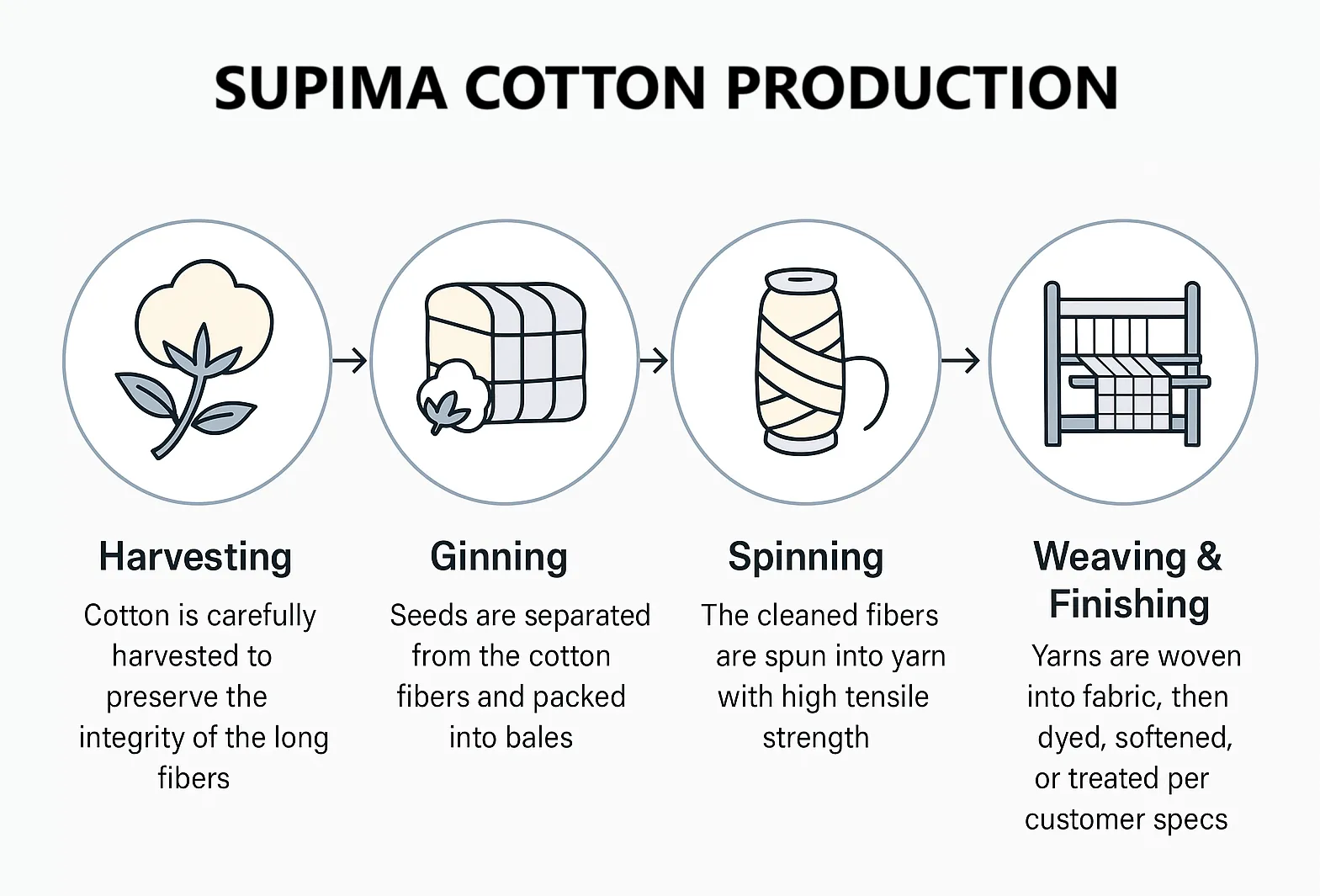
The typical production process of Supima cotton
🔬 Key Technical Features
- Superior Strength: Supima fibers are stronger and more resilient than conventional cotton, lasting 2 to 5 times longer in final products (Yardblox).
- Luxuriously Soft: The smooth surface of Supima yarns provides a naturally soft hand-feel, perfect for garments that sit close to the skin.
- Color Retention: Supima cotton absorbs dye deeply and holds onto color longer, even after repeated washes.
- Pilling Resistance: The longer fibers help reduce pilling, keeping garments looking new for longer.
- Breathable & Skin-Friendly: Excellent breathability and hypoallergenic properties make it suitable for hot and humid climates.
Global Cotton Varieties Comparison
| Cotton Type | Origin | Staple Length (mm) | Texture & Feel | Durability | Common Use |
| Supima | USA | 35–39 mm (Extra-long) | Ultra soft, silky | Very strong | Luxury garments, bedding |
| Egyptian Cotton | Egypt (Nile River) | 33–39 mm (Extra-long) | Smooth, luxurious | Very strong | High-end bed linens, dress shirts |
| Pima | USA, Peru | 34–37 mm (Extra-long) | Soft and smooth | Strong | Premium t-shirts, fashion wear |
| Upland Cotton | USA, China, India, etc | 26–29 mm (Short/Medium) | Soft but coarser | Moderate | Mass-market clothing, denim |
| Asiatic Cotton | India, Pakistan | < 20 mm (Short) | Coarse, rougher | Lower | Traditional handwoven or local use |
Manufacturing Process
Supima cotton goes through a meticulous production process to maintain its premium standards:
- Harvesting: Cotton is carefully harvested to preserve the integrity of the long fibers.
- Ginning: Seeds are separated from the cotton fibers and packed into bales.
- Carding & Combing: Fibers are cleaned and aligned to remove impurities, creating smoother yarns.
- Spinning: The cleaned fibers are spun into yarn with high tensile strength.
- Weaving & Finishing: Yarns are woven into fabric, then dyed, softened, or treated per customer specs.
🌎 Sustainability & Traceability
Supima cotton is grown on about 500 family-owned farms across California, Arizona, New Mexico, and Texas. Farmers apply precision agriculture using satellite and GPS technologies to reduce water, fertilizer, and pesticide use. Supima is fully traceable from seed to shelf, thanks to forensic fiber verification.
Common Applications
Supima cotton fabric is suitable for:
- Luxury fashion: T-shirts, dress shirts, women’s wear, loungewear
- Home textiles: Bedsheets, pillowcases, towels
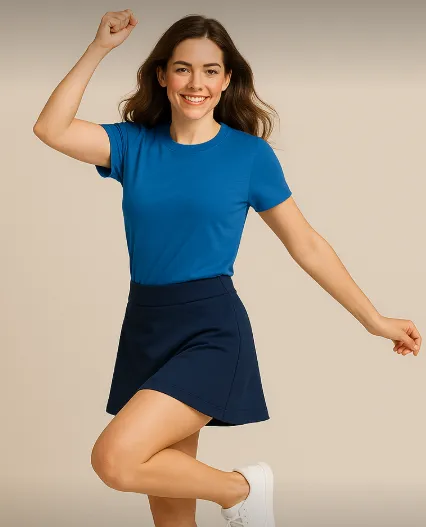
- Athleisure: Yoga tops, performance tees, fitted sportswear
Supima Cotton Fabric Supply in Vietnam
As a trusted supplier based in Vietnam, we offer circular knitted Supima cotton fabric in rolls, customized to your specifications — dyed or greige. Whether you’re a brand, fashion label, or fabric wholesaler, we are equipped to deliver consistent, certified quality.
📞 Contact Us for Samples & Pricing
Looking to source authentic Supima cotton fabric? Reach out to our team to receive:
- Sample swatches
- Technical data sheets
- MOQ & lead time info
- FOB pricing
Let’s create high-end, long-lasting products together with premium Supima cotton.
Source: