Introducing Knit Fabric with Feeder Stripe and Auto Stripe Techniques
Are you familiar with those stylish fashion items that feature bold stripe patterns? From classic t-shirts to trendy dresses, stripes are a timeless motif that always manages to make a statement. Whether you’re into casual wear or sophisticated pieces, stripe patterns add a vibrant touch to any wardrobe. What makes these striped items so appealing is not only their aesthetic but also the type of fabric used, particularly knit fabric.
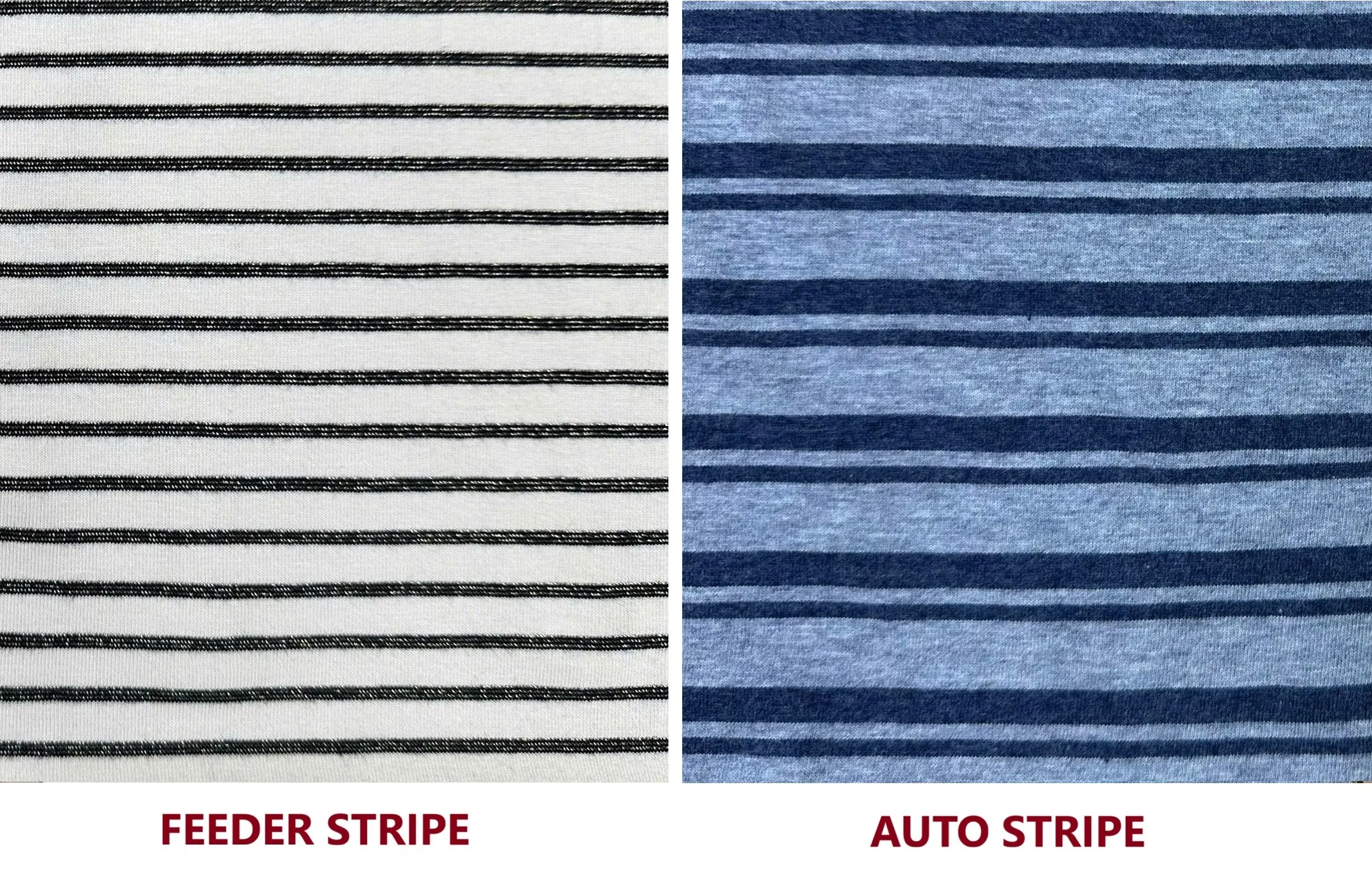
Among the different knitting techniques, Feeder Stripe and Auto Stripe stand out for their unique methods of creating striking striped designs. In this article, we’ll explore the characteristics of these two knitting techniques and their various advantages and applications in the fashion industry.
What is Stripe Knit Fabric?
Stripe knit fabric is made from a special knitting technique that creates alternating stripes across the fabric. These stripes can vary in width, color, and pattern, and they are typically made using different types of yarn such as cotton, polyester, or spandex. The beauty of stripe knit fabric lies not only in its visual appeal but also in the functionality it offers. It’s soft, stretchy, and highly durable, making it ideal for a wide range of apparel, from everyday wear to more upscale fashion pieces.
Feeder Stripe vs. Auto Stripe: Key Differences
| Feeder Stripe | Auto Stripe |
|---|---|
| The Feeder Stripe technique involves using a feeder mechanism to supply the yarn into the knitting machine, creating stripes by changing the color of the yarn at regular intervals. This technique produces evenly spaced stripes, often in a narrow and sharp pattern. The stripes tend to be consistent in size and are perfect for creating designs that require precision, such as basic stripe patterns. | The Auto Stripe technique is more advanced, utilizing automated machinery to create stripes of varying widths and colors. This method allows for greater flexibility and creativity, enabling the production of complex, multi-colored stripes and patterns. Unlike the uniform stripes produced by Feeder Stripe, Auto Stripe can include bold, irregular stripes, adding an artistic touch to the fabric. |
Advantages of Feeder Stripe:
|
Advantages of Auto Stripe:
|
Advantages of Stripe Knit Fabric
- Elasticity and Comfort: Knit fabrics are known for their stretchiness, providing comfort and freedom of Whether made with Feeder Stripe or Auto Stripe, stripe knit fabric offers flexibility, making it ideal for items that need to hug the body while remaining comfortable.
- Durability: Knit fabrics, including those created with Feeder Stripe and Auto Stripe, are durable and hold up well over time, even after multiple washes. This makes them perfect for long-lasting clothing items.
- Versatility: Both Feeder Stripe and Auto Stripe can be used in various fabric weights and yarn compositions. Whether you want a lightweight fabric for summer or a heavier knit for cooler weather, stripe knit fabric is adaptable to different needs.
- Fashion-Forward Design: The stripe patterns created with Feeder Stripe and Auto Stripe bring a modern edge to any garment. Whether you opt for the simplicity of Feeder Stripe or the creativity of Auto Stripe, the result is always fashionable.
Applications of Stripe Knit Fabric
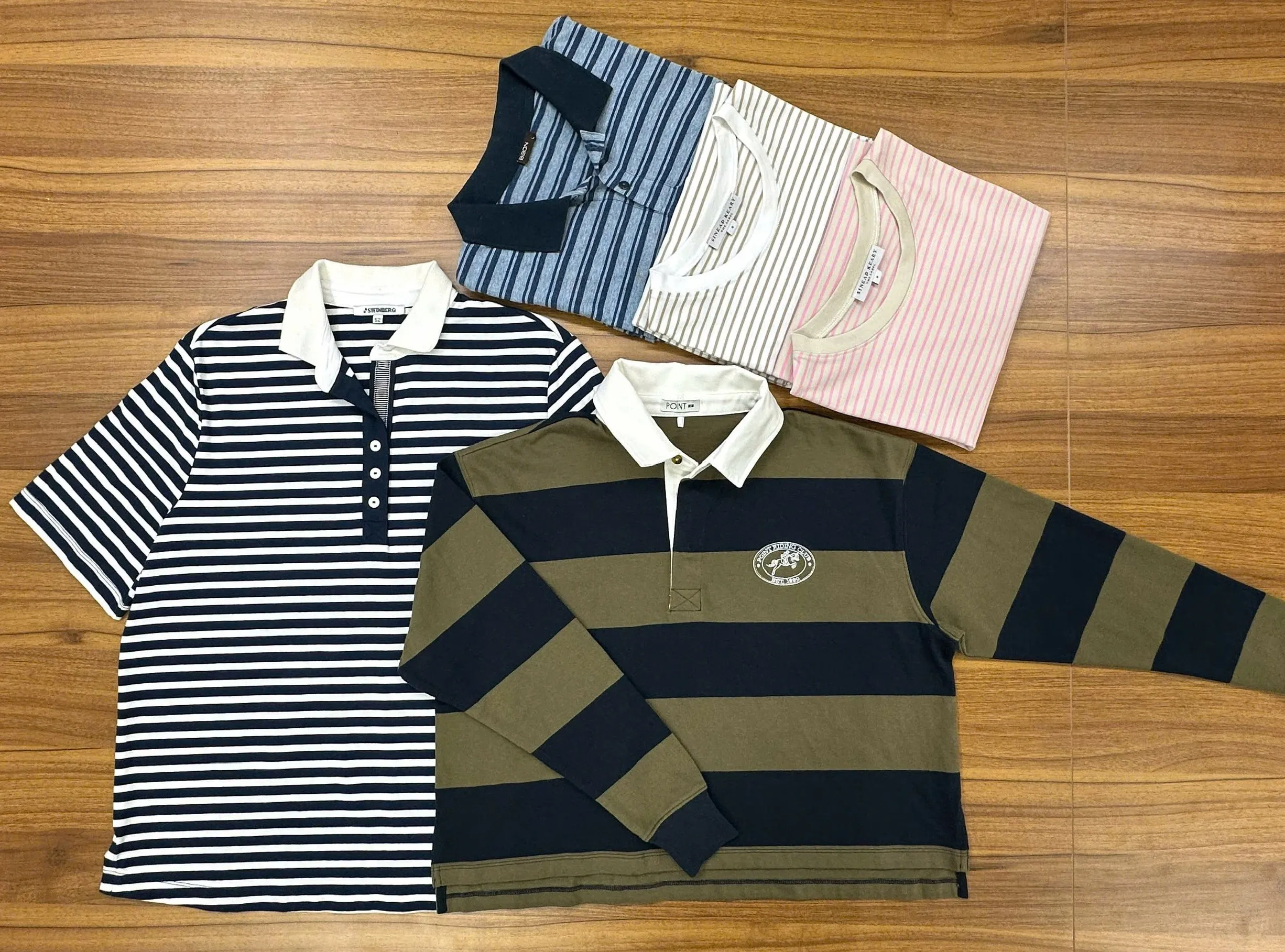
- Feeder Stripe: The consistent stripes produced by this technique are perfect for creating classic, casual garments. You’ll often find Feeder Stripe knit fabric in products like t-shirts, sweatshirts, and activewear, as it provides a clean and sharp look that suits everyday use.
- Auto Stripe: With its ability to create unique and bold patterns, Auto Stripe knit fabric is often used for more high-end fashion items. Designers often choose this technique for dresses, blouses, and other garments that require a more intricate design, giving each piece a luxurious and distinctive appearance.
Stripe Fabric from Thai Son S.P
Stripe knit fabrics created using Feeder Stripe and Auto Stripe techniques offer a world of design possibilities for fashion brands and designers. Whether you’re looking for simple, classic stripes or intricate, multi-colored patterns, these fabrics provide both style and functionality. Their stretch, comfort, and durability make them a favorite for both everyday wear and high-end fashion. Understanding the key differences between Feeder Stripe and Auto Stripe will help you make an informed decision when choosing the right fabric for your next project.
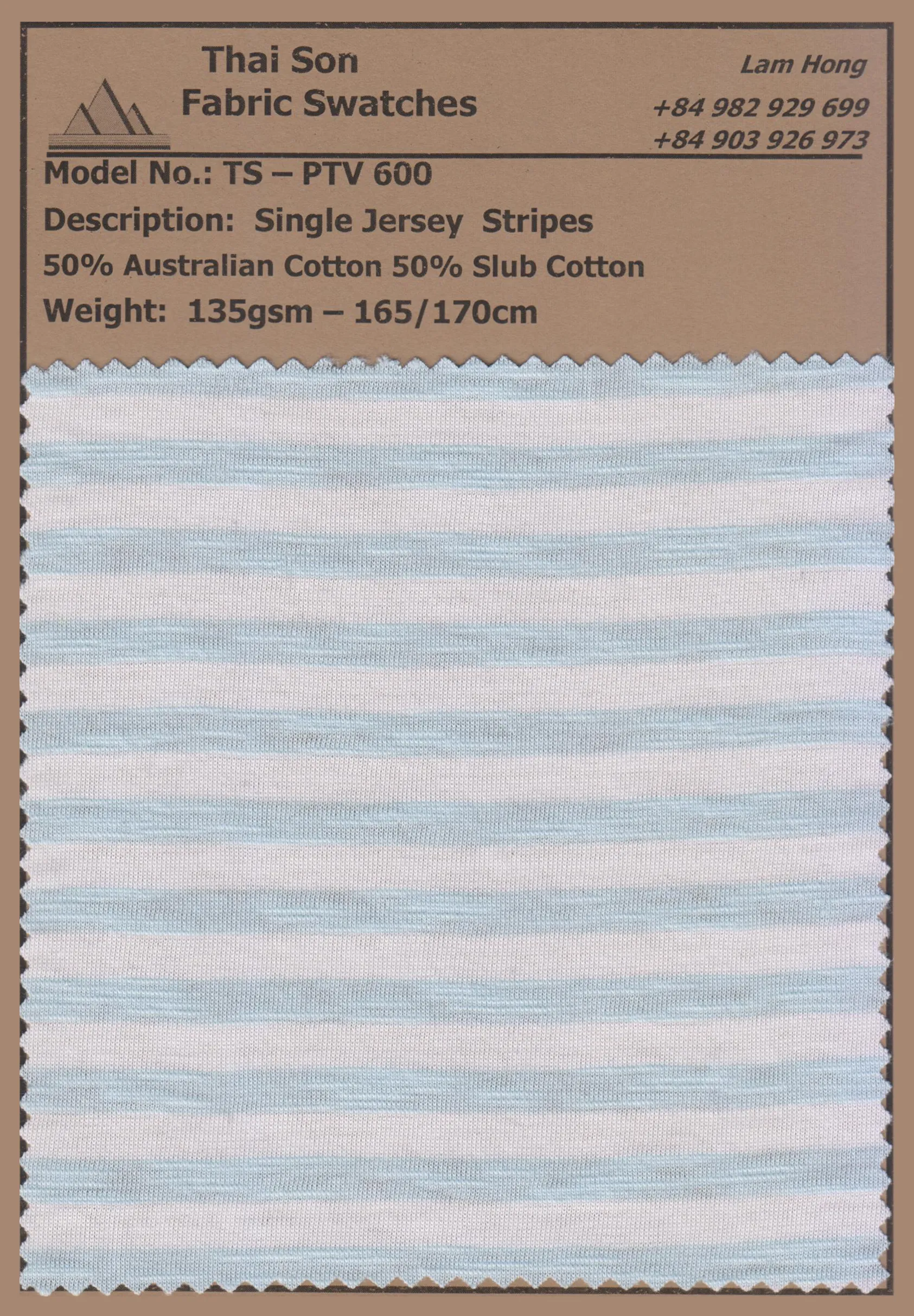
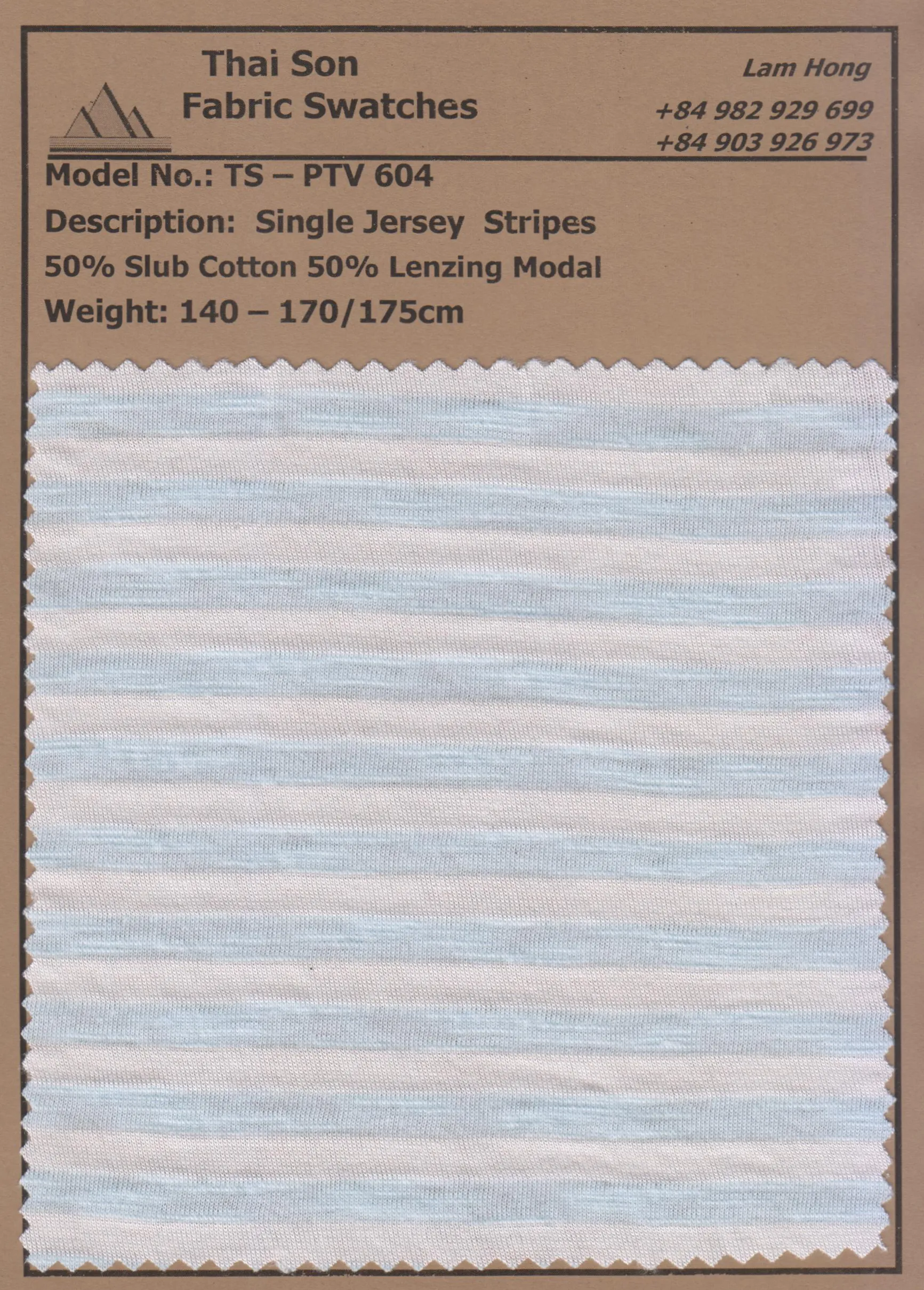
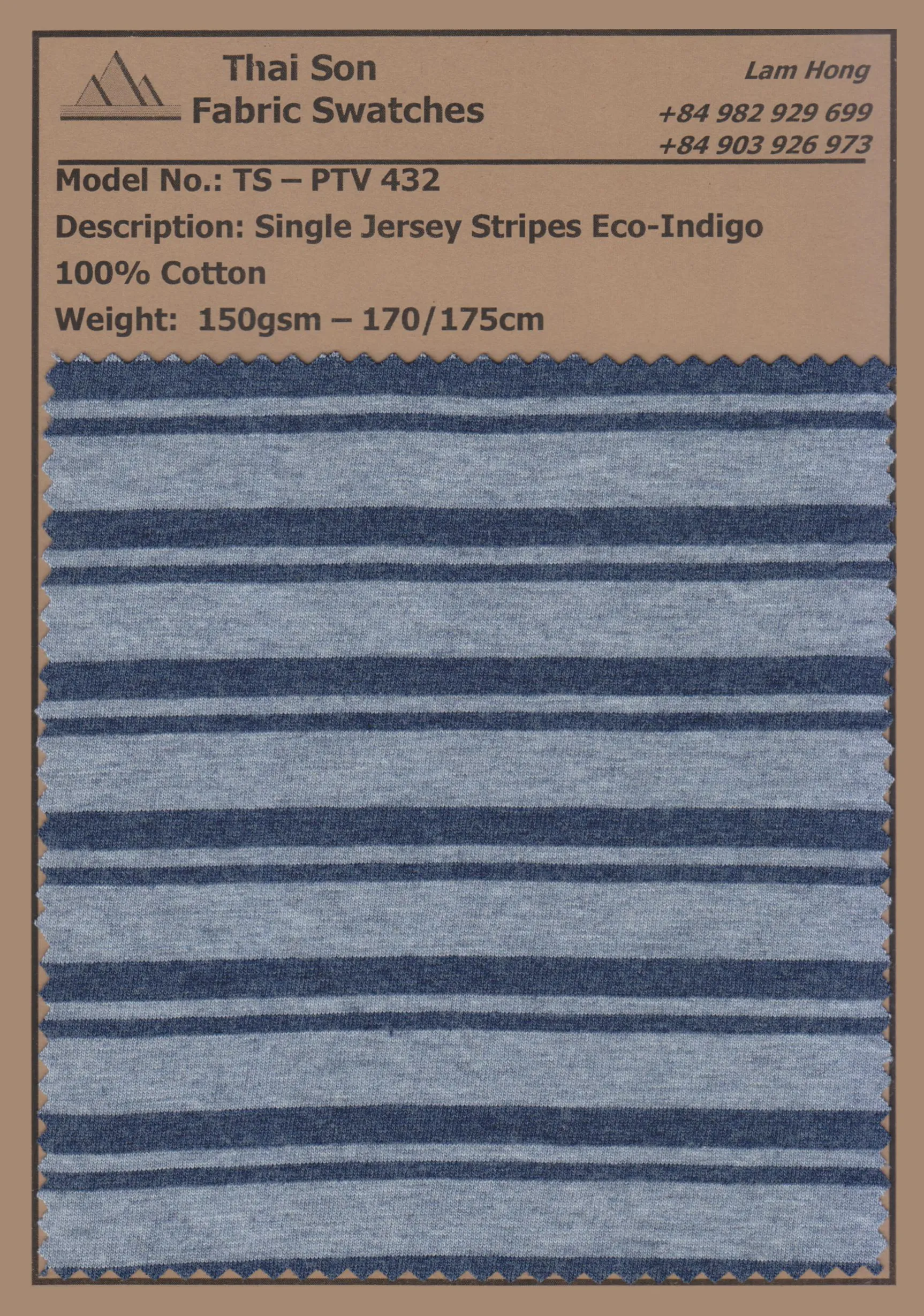
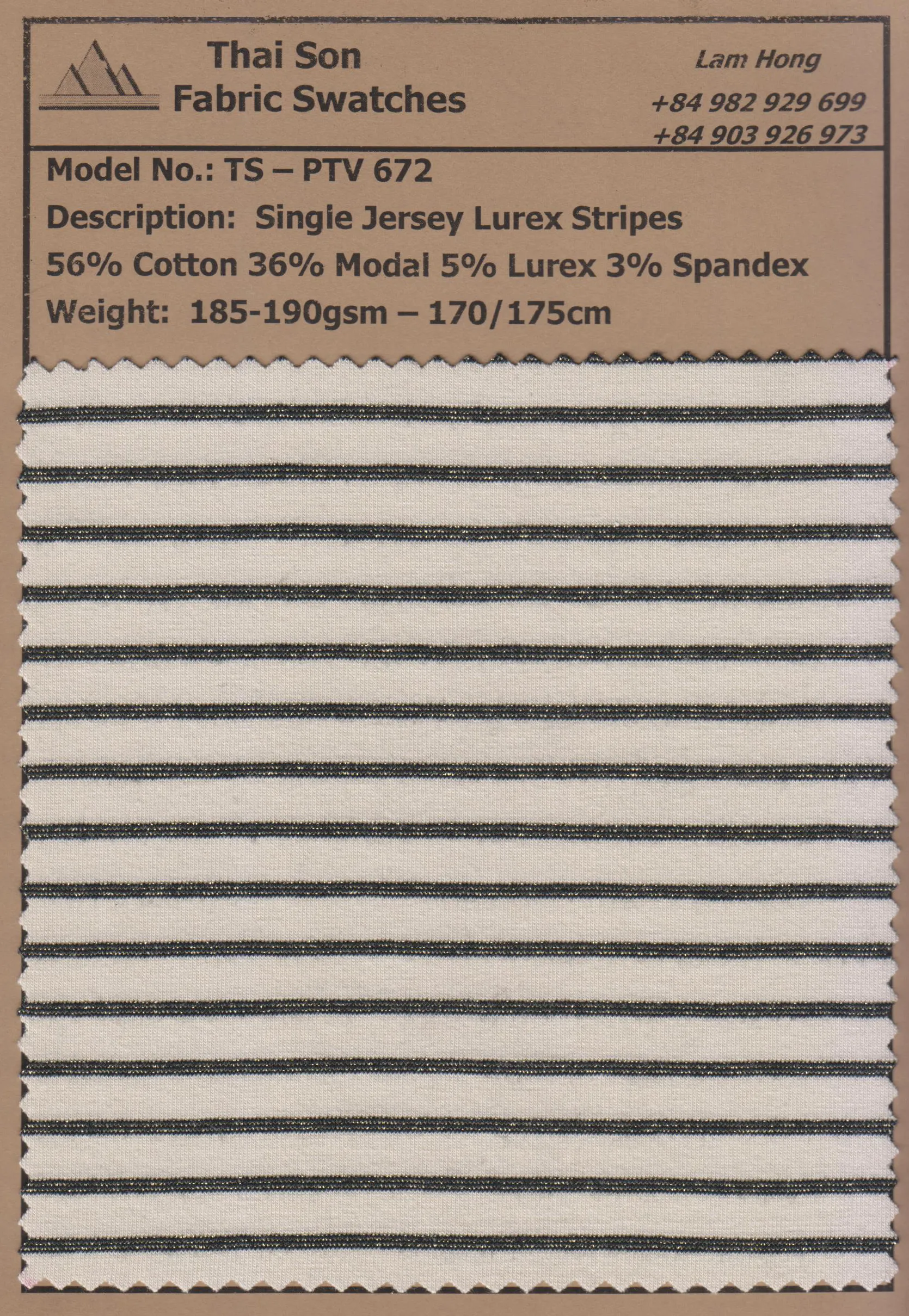
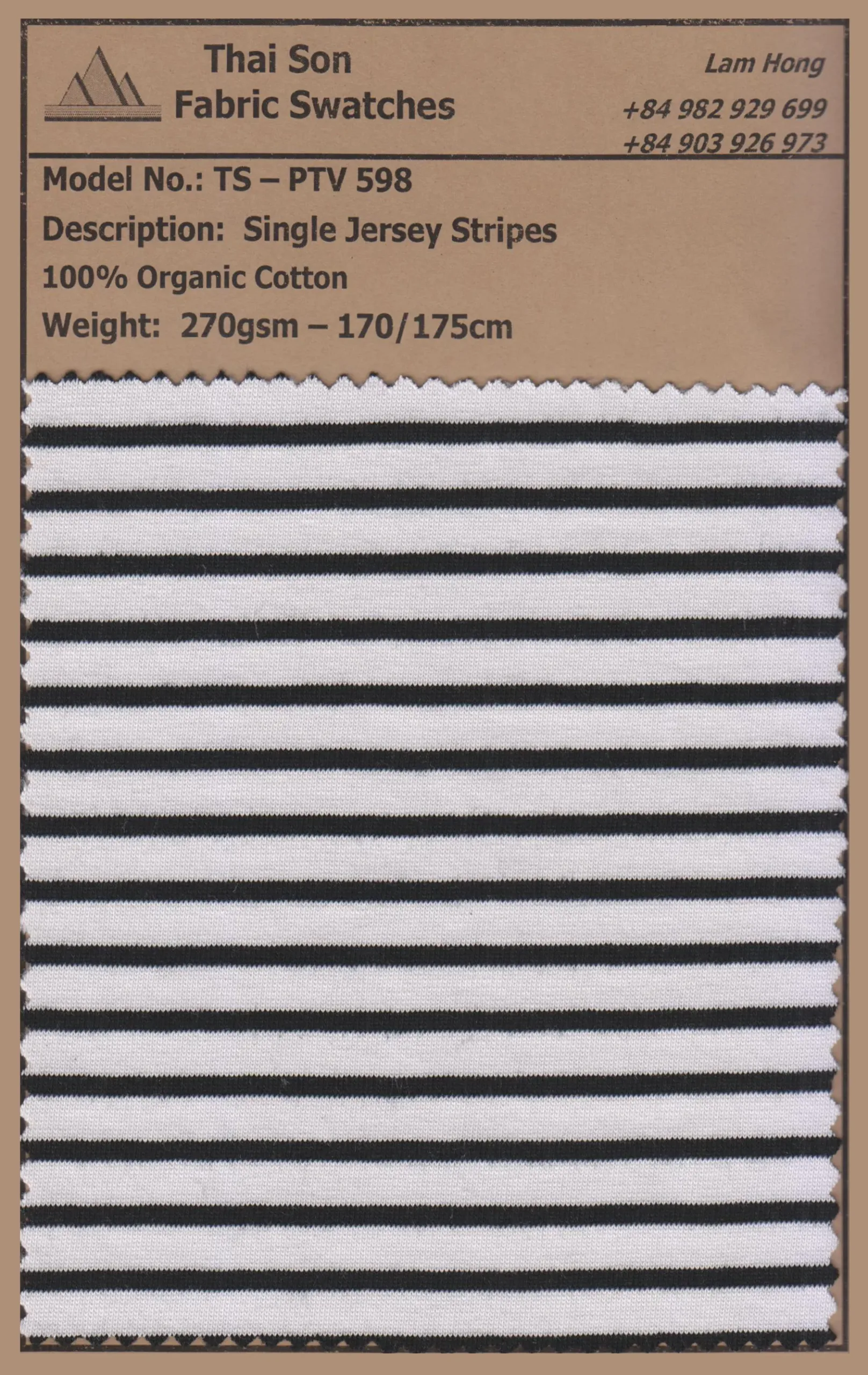
Image:
– Single Jersey Lurex Stripes 56% Cotton 36% Modal 5% Lures 3% Spandex 190gsm-170/175cm
– Single Jersey Stripes 50% Slub Cotton 50% Lening Modal 140gsm -170/175cm
– Single Jersey Stripes Eco-Indigo 100% Cotton 150gsm – 170/175cm
– Single Jersey Stripes 50% Australian Cotton 50% Slub Cotton 135gsm – 165/170cm
– Single Jersey Stripes 100% Organic Cotton 270gsm – 170/175cm
Contact us directly to explore our sustainable stripe fabric for your upcoming production.
Related Articles
Knit fabric structures guide
Knit fabric structures guide