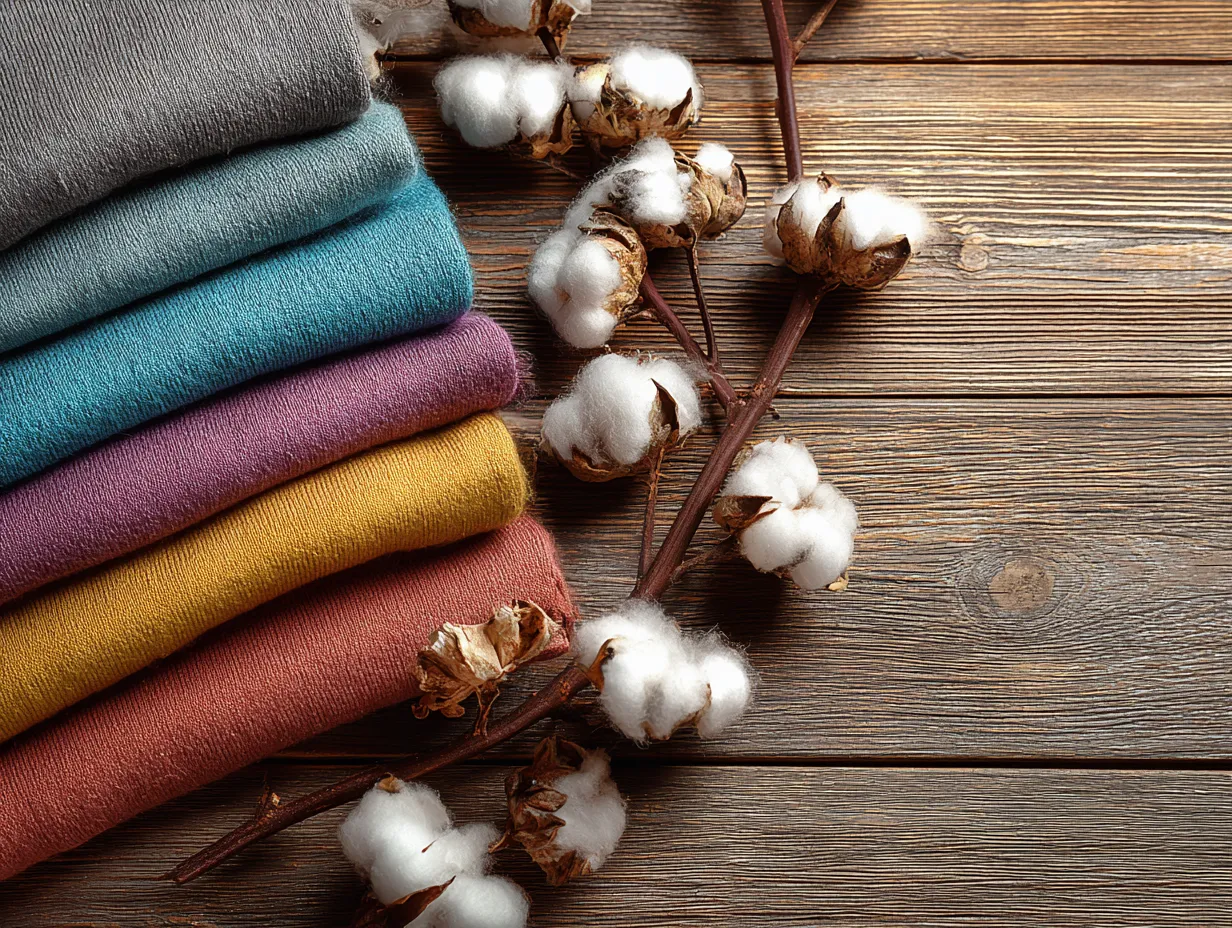
Nowadays, organic cotton is quickly becoming the fabric of choice for those who care about quality, health, and sustainability. From everyday basics to premium-end collections, this material stands out not just for how it feels, but also for how it’s made.
What Makes Cotton Organic?
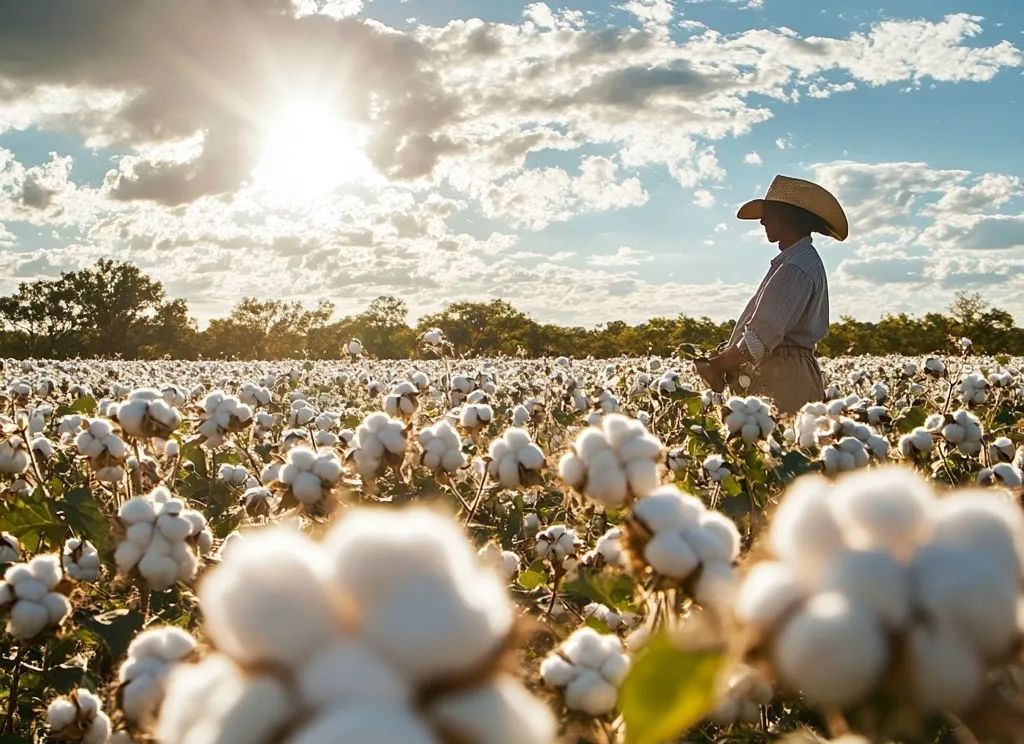
Unlike conventional cotton, which is heavily reliant on synthetic pesticides, herbicides, and genetically modified seeds, organic cotton is grown using natural farming practices. These methods prioritize soil regeneration, water conservation, and farmer wellbeing. That is safer for people and kinder to the planet.
Put simply, organic cotton is cotton grown the way nature intended. This shows in both performance and impact.
What Is the Difference Between Cotton and Organic Cotton?
The key difference lies in how the cotton is farmed. While conventional cotton farming consumes high amounts of water and chemicals (over 15% of the world’s pesticides are used on just 2.5% of farmland), organic cotton farming avoids synthetic inputs entirely. This reduces harm to ecosystems, improves biodiversity, and ensures healthier conditions for farmers and local communities.
In terms of fabric, organic cotton fabric is just as soft, breathable, and durable as regular cotton but without the toxic chemical residues. That’s why it’s often the preferred choice for babywear, underwear, activewear, and skin-friendly garments.
What Are the Benefits of 100% Organic Cotton?
Choosing 100% organic cotton means that your garments:
- Are made from fully certified, traceable materials
- Contain no GMO fibers or pesticide residues
- Are safer for sensitive skin
- Support ethical, lower-impact production
- Align with global sustainability goals
According to Textile Exchange’s Life Cycle Assessment (2014), organic cotton reduces:
- Water usage by 91%
- Energy use by 62%
- Greenhouse gas emissions by 46%
compared to conventional cotton. These are measurable, meaningful improvements.
Where Does Organic Cotton Come From?
Today, most organic cotton comes from:
- India (over 50% of global supply), which is also where Thai Son sources its organic cotton yarn.
- Turkey, China, Uzbekistan, and Tanzania
Though Vietnam is not a major grower, it plays a key role as a garment manufacturing hub. Many Vietnam suppliers of organic cotton fabric and garments import certified yarns from India or Turkey, then knit, dye, and sew them locally following GOTS or OCS standards. This model not only ensures traceability and quality from raw fiber to finished product, but also sets a new standard for ethical fabric manufacturing.
Cotton vs. Bamboo: Which Is Healthier?
Both organic cotton and bamboo fabrics are marketed as sustainable. However, bamboo often requires heavy chemical processing (unless it is labeled “mechanically processed bamboo linen”). In contrast, organic cotton is grown and processed with strict controls, making it a safer and more transparent option for health-conscious and eco-conscious consumers alike.
A Responsible Fabric for the Future
For brands looking to develop eco-friendly clothing, organic cotton is not only a trend but also a long-term commitment to quality, ethics, and environmental responsibility.
Interested in sourcing certified organic cotton materials?
At Thai Son, we specialize in sustainable fabric development and production. Explore some of our in-house knitted organic cotton fabrics collection from Indian yarn below:
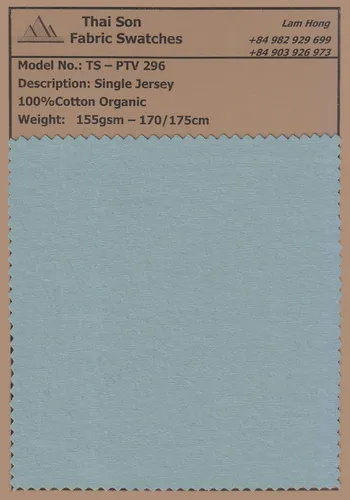
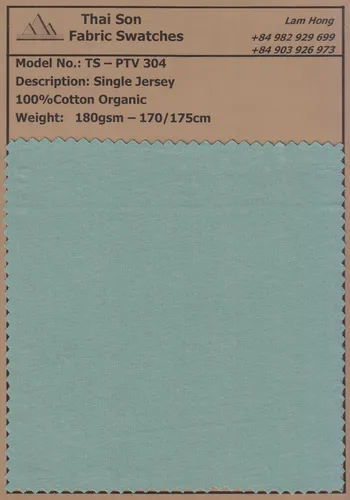
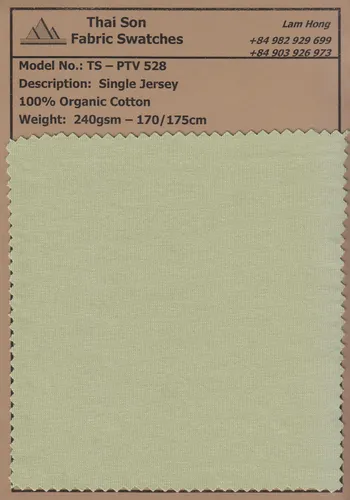
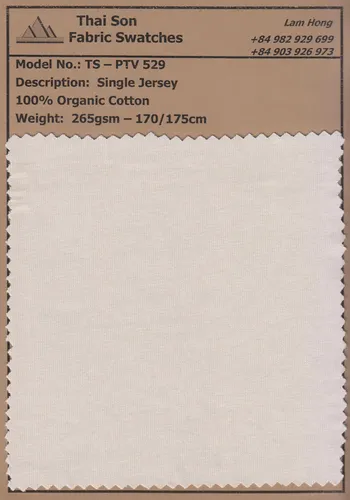
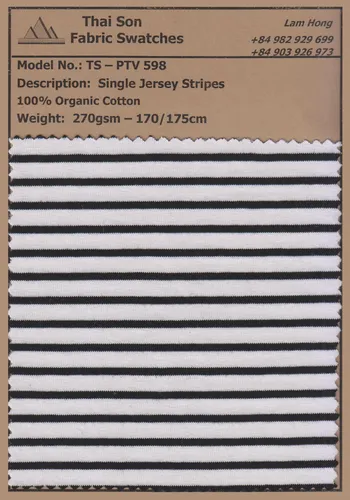
Single Jersey 100% Organic Cotton from 155gsm – 270gsm fabric swatches from Thai Son
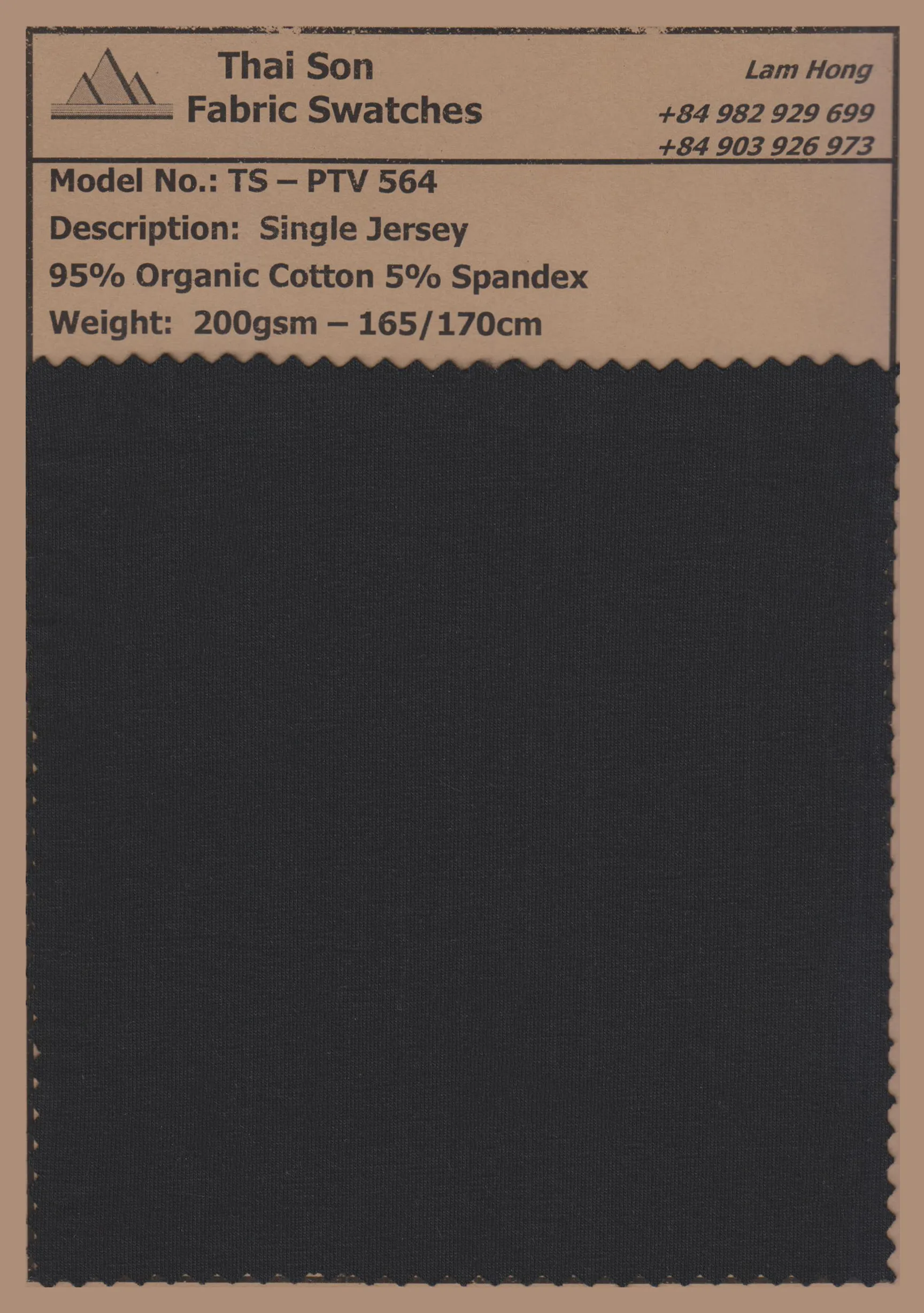
Single Jersey 95% Organic Cotton 5% Spandex 200gsm fabric swatch
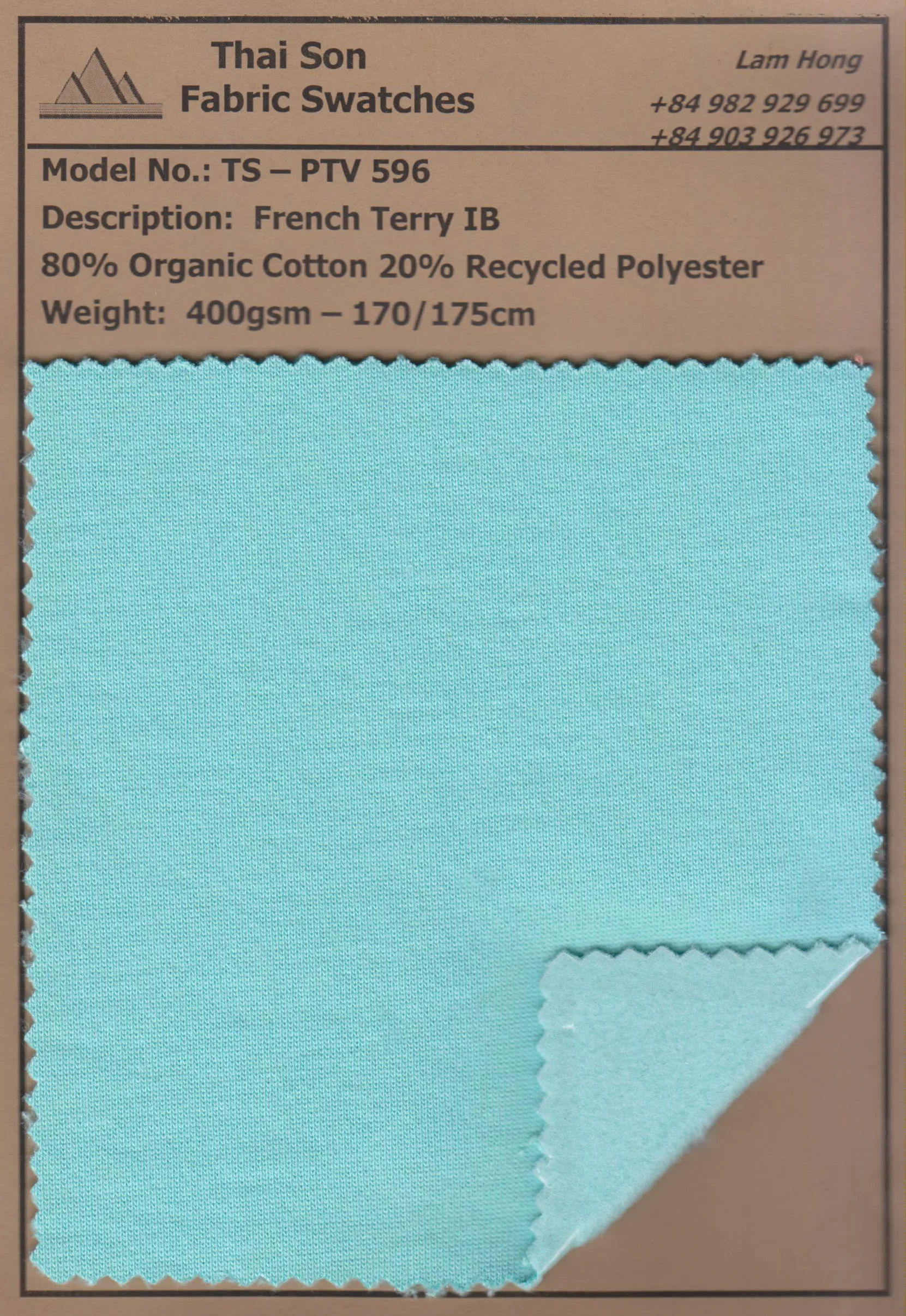
French Terry IB 80% Organic Cotton 20% Recycled Polyester 400gsm fabric swatch
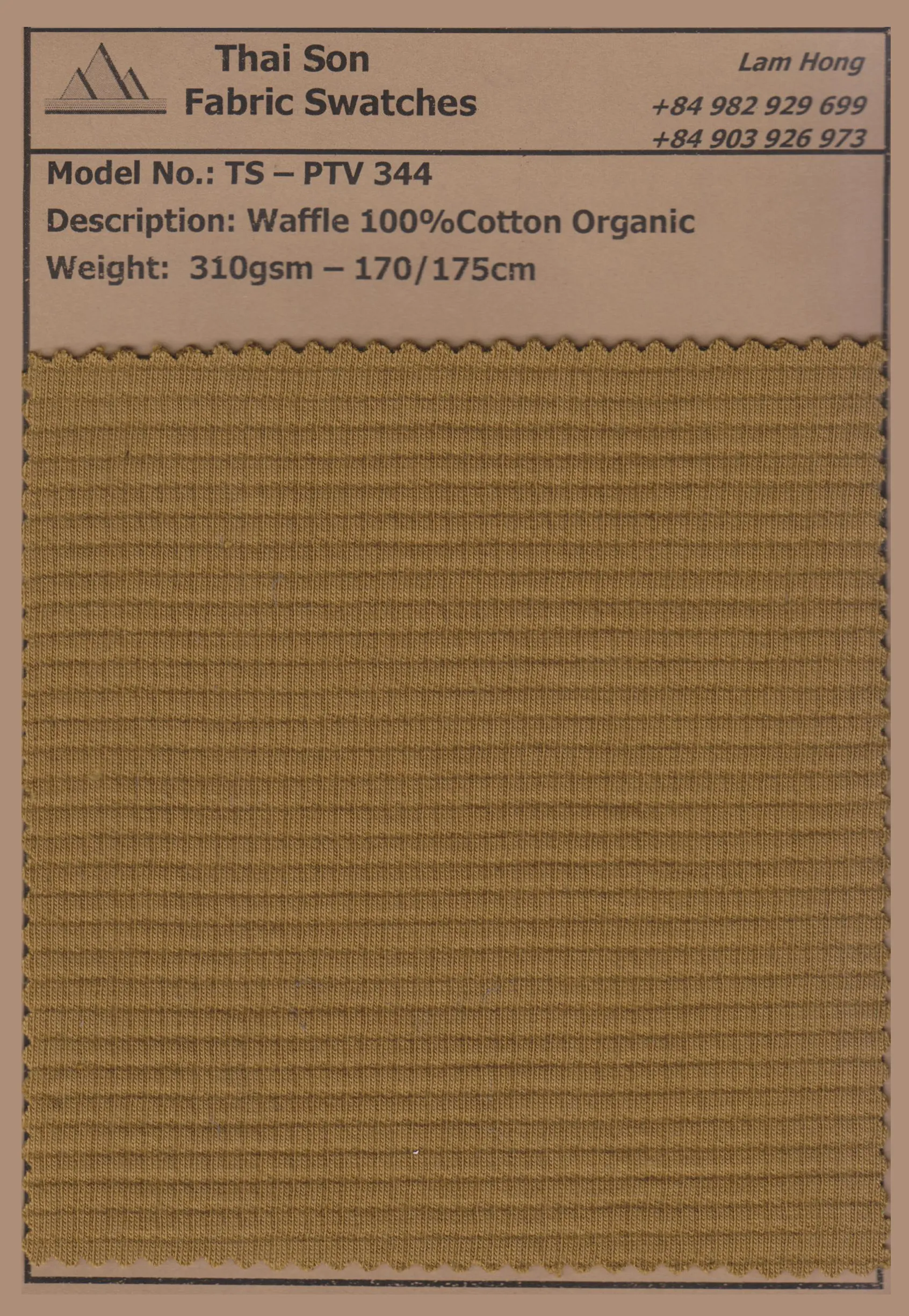
Waffle 100% Organic Cotton 310gsm fabric swatch
Let’s talk about your next project.
📩 Contact us to learn more or request fabric swatches and certifications.