Updated: April 2026
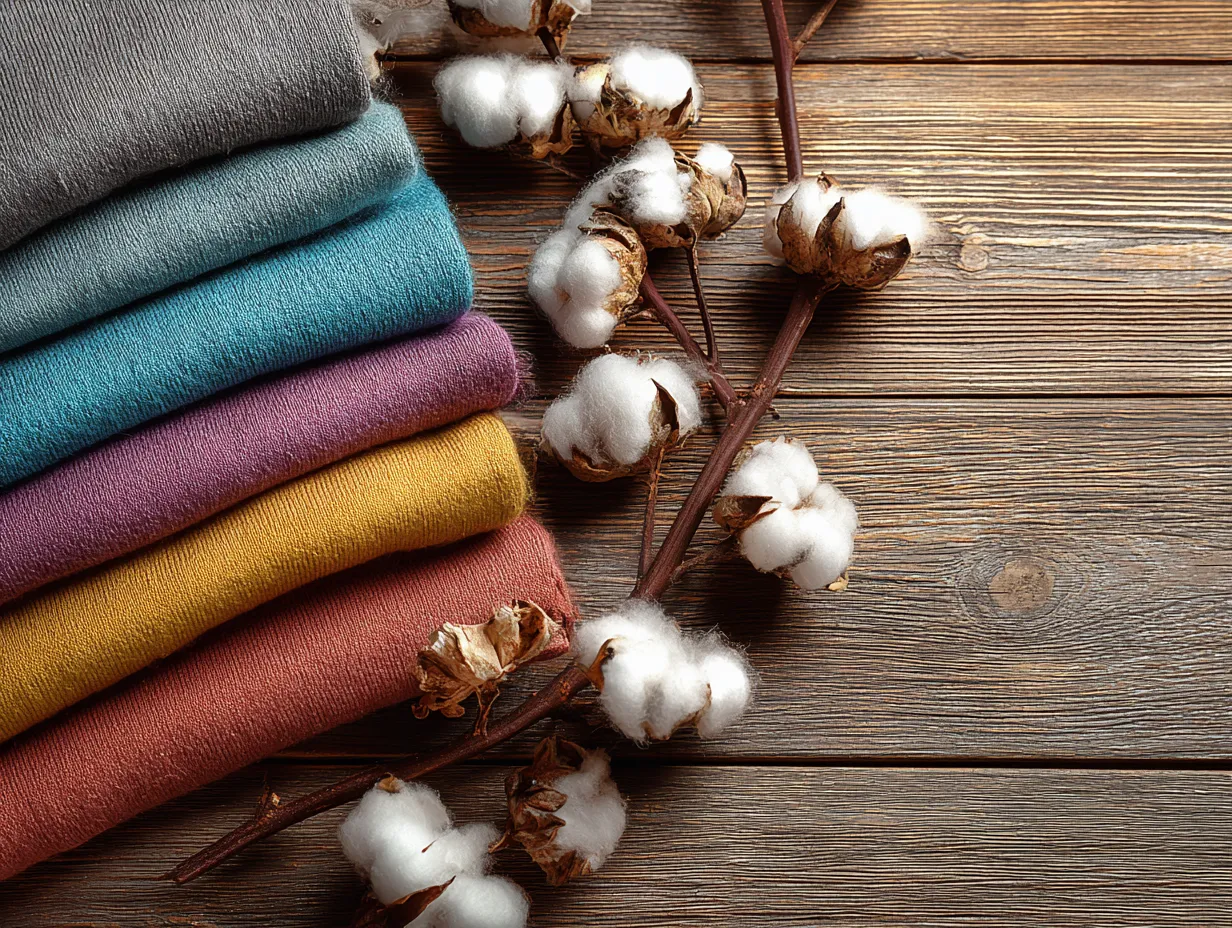
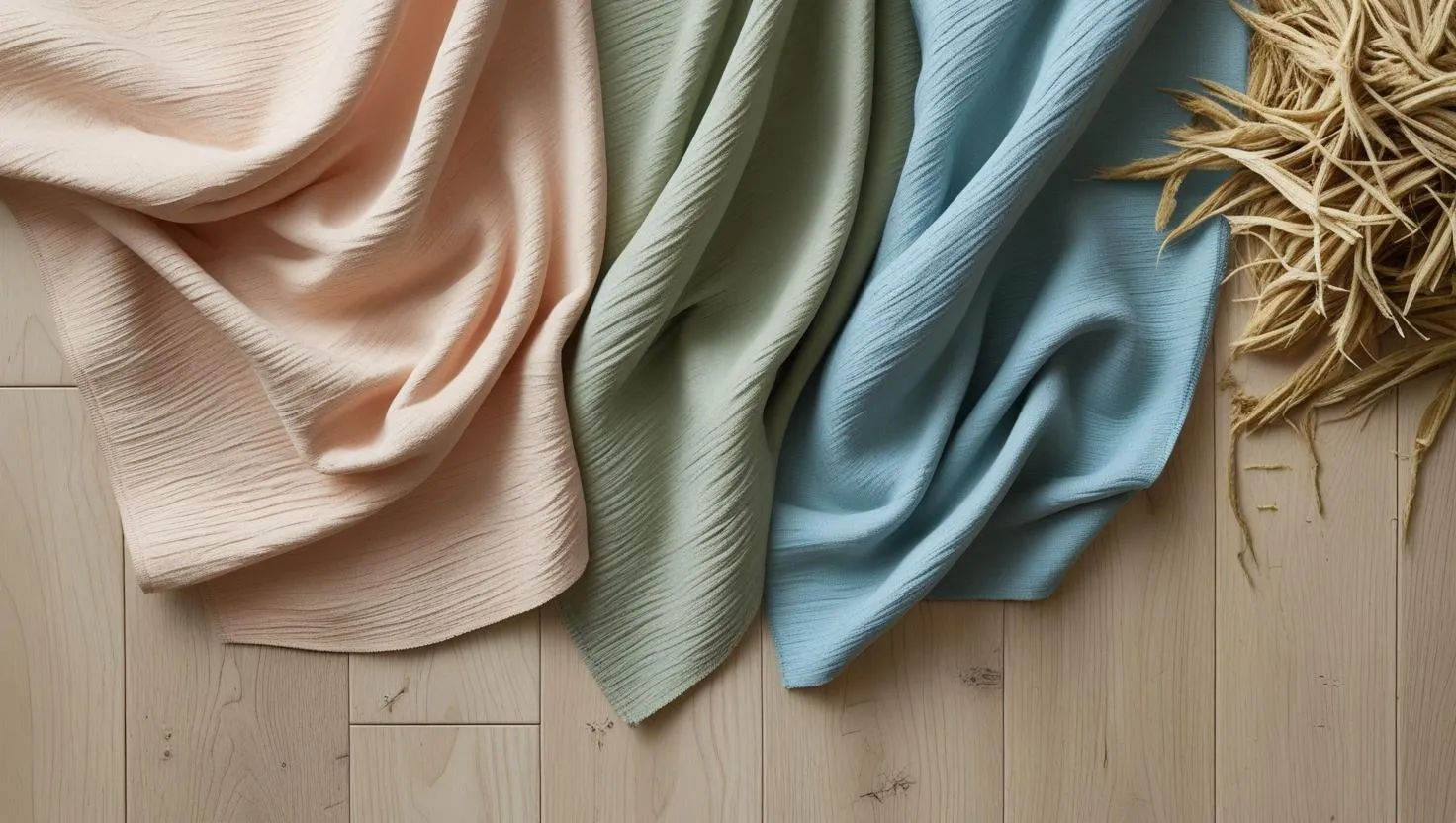
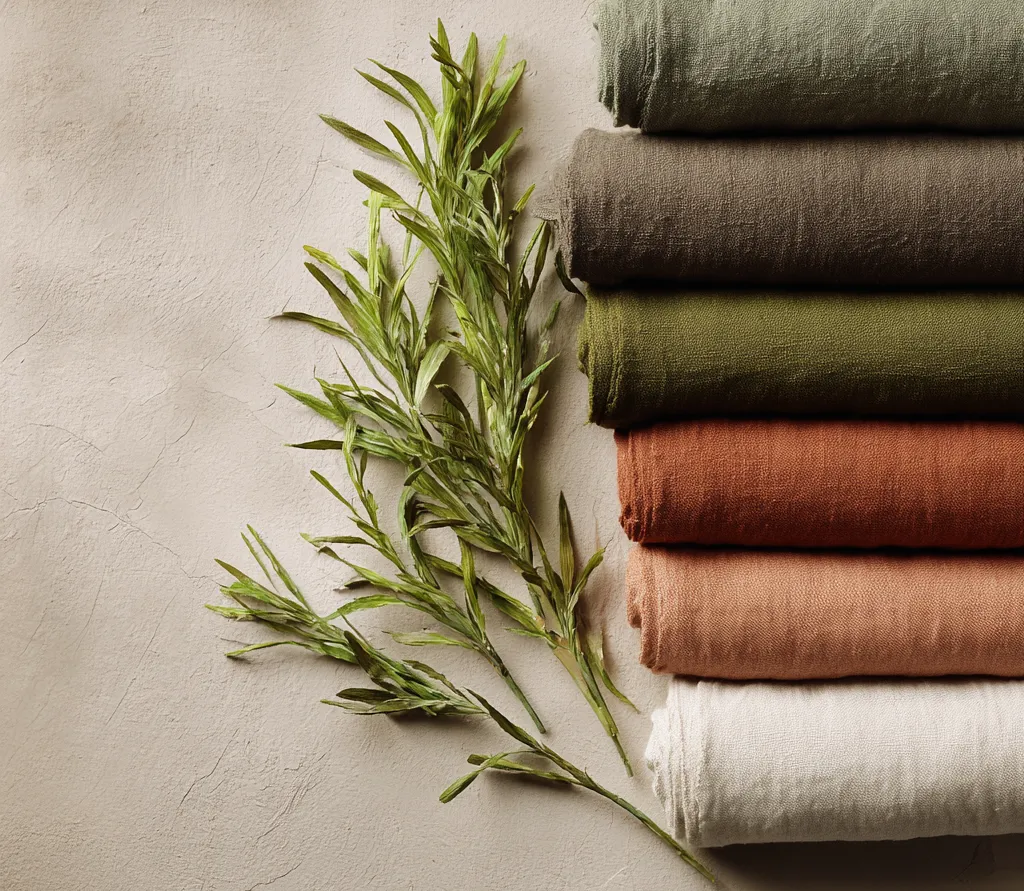
Cotton PALF knit fabric blends cotton with pineapple leaf fiber to create a breathable, durable, and more sustainability-oriented textile. This blend is increasingly used in textile manufacturing due to its balanced performance and environmental advantages. To better understand this material, it is useful to first look at what pineapple leaf fiber is and how Cotton PALF fabric is produced.
What Is Pineapple Leaf Fiber (PALF) and Cotton/PALF Fabric?
Pineapple Leaf Fiber (PALF) is a natural cellulosic fiber extracted from the leaves of the pineapple plant (Ananas comosus). It is an agricultural by-product of the pineapple industry. After each fruit harvest, the leaves are typically burned or left to decompose in the field.
PALF fiber has a high cellulose content of up to 80%, a naturally microporous structure, and strong mechanical properties, making it a key material in the development of pineapple fiber products within the global sustainable textile industry.
Unlike Piñatex®, which is a non-woven sheet material often used as a leather alternative, PALF is a spinnable textile fiber. PALF can be spun into yarn, woven or knitted into fabric, and blended with other fibers.
What Is Cotton/PALF Fabric?
Cotton/PALF is a knit fabric made from an 80% cotton and 20% Pineapple Leaf Fiber (PALF) blend. This blend integrates PALF’s natural properties into a familiar cotton base, creating a pineapple fiber fabric with improved technical performance compared to 100% cotton, while maintaining industrial processability and cotton’s soft hand-feel.
A key distinction of Cotton PALF fabric compared to chemically treated fabrics is that these properties are built into the fiber, not derived from finishing treatments, and may remain more stable over time compared to topical finishing treatments.
Inherent fiber properties
These properties originate from the natural structure and composition of pineapple leaf fiber (PALF), including its high cellulose content and microporous structure. Unlike surface-applied finishes, these characteristics are inherent to the fiber itself.
- Breathability & Moisture Management
The microporous structure of PALF supports air circulation and moisture transfer, contributing to improved comfort. - UV Resistance Potential: The natural fiber structure may contribute to UV-blocking performance, depending on fabric construction and testing conditions.
- Antibacterial Potential: The natural composition of PALF may help limit bacterial growth under certain conditions.
- Odor Control Potential: By reducing moisture retention, PALF may help minimize odor buildup during wear.
- Biodegradability: As a plant-based fiber, PALF is biodegradable under appropriate environmental conditions.
- Mechanical Strength: PALF has relatively high tensile strength compared to many natural fibers, contributing to durability.
How PALF Fiber and Cotton/PALF Fabric Are Made
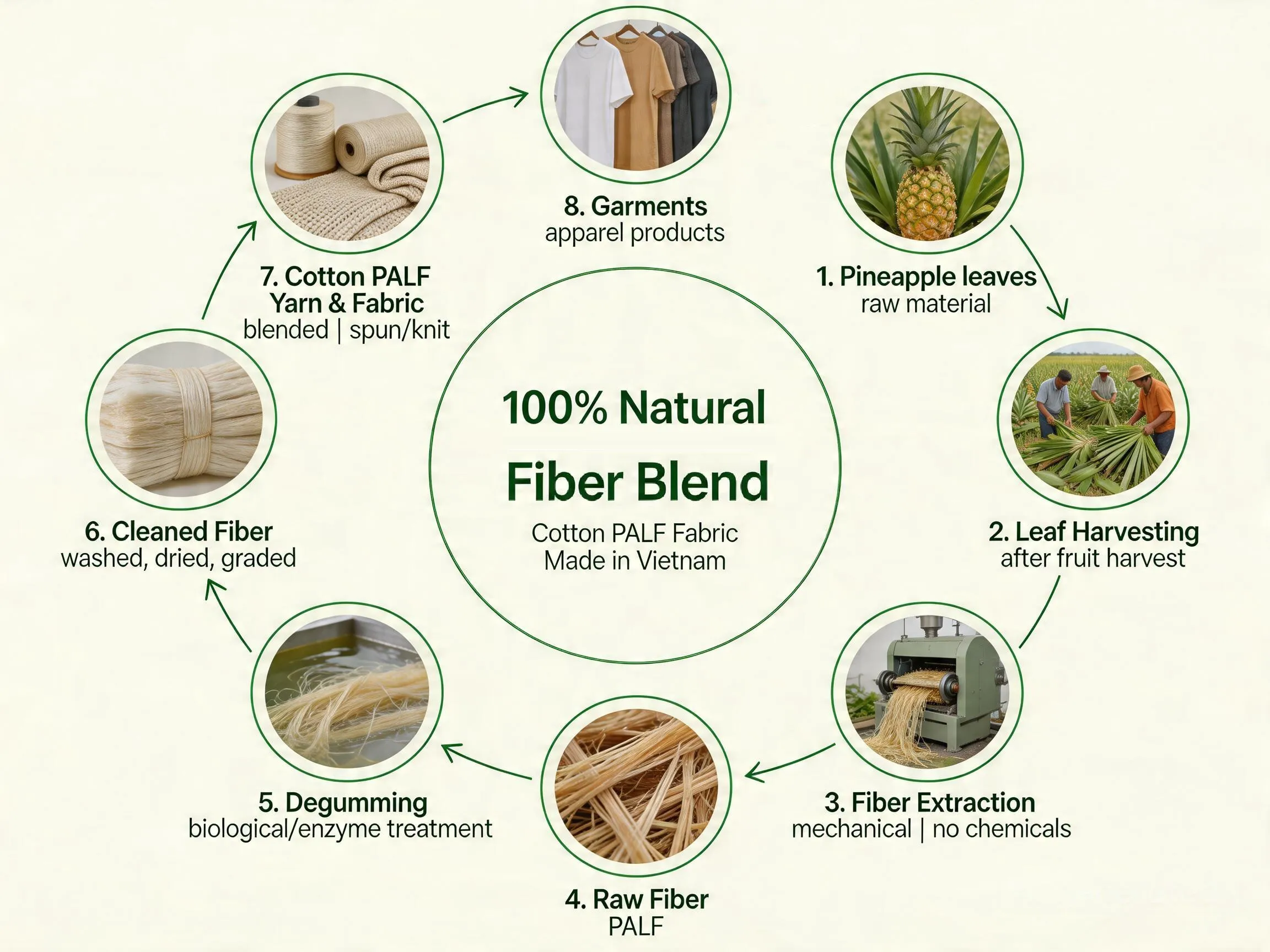
From pineapple leaf to finished garment, pineapple leaf fiber goes through 8 key steps:
| Step | Brief description |
|---|---|
| 1. Pineapple Leaves | Raw material from pineapple plants |
| 2. Leaf harvest | Collected after fruit harvest — 100% agricultural by-product |
| 3. Fiber Extraction (Decortication) | Mechanical process removes leaf pulp to extract raw fiber (no chemicals) |
| 4. Raw Fiber (PALF) | Extracted pineapple leaf fiber in natural form |
| 5. Degumming | Enzyme treatment removes pectin and lignin, softening the fiber |
| 6. Cleaned Fiber | Fiber is washed, dried, and graded |
| 7. Blending & Spinning / Knitting | PALF blended with cotton (80/20), spun into yarn and knitted into fabric |
| 8. Garment Production | Fabric is dyed, cut, and sewn into finished products |
This process is carried out in Vietnam by manufacturer such as Thai Son S.P Knit Fabric, enabling scalable and export-ready production.
Comparison: Pure PALF with Cotton/PALF Blend Fabric
Below is a comparison of three fabric types: 100% cotton, 100% PALF, and Cotton/PALF blend to understand why the 80/20 formula is selected for garment production:
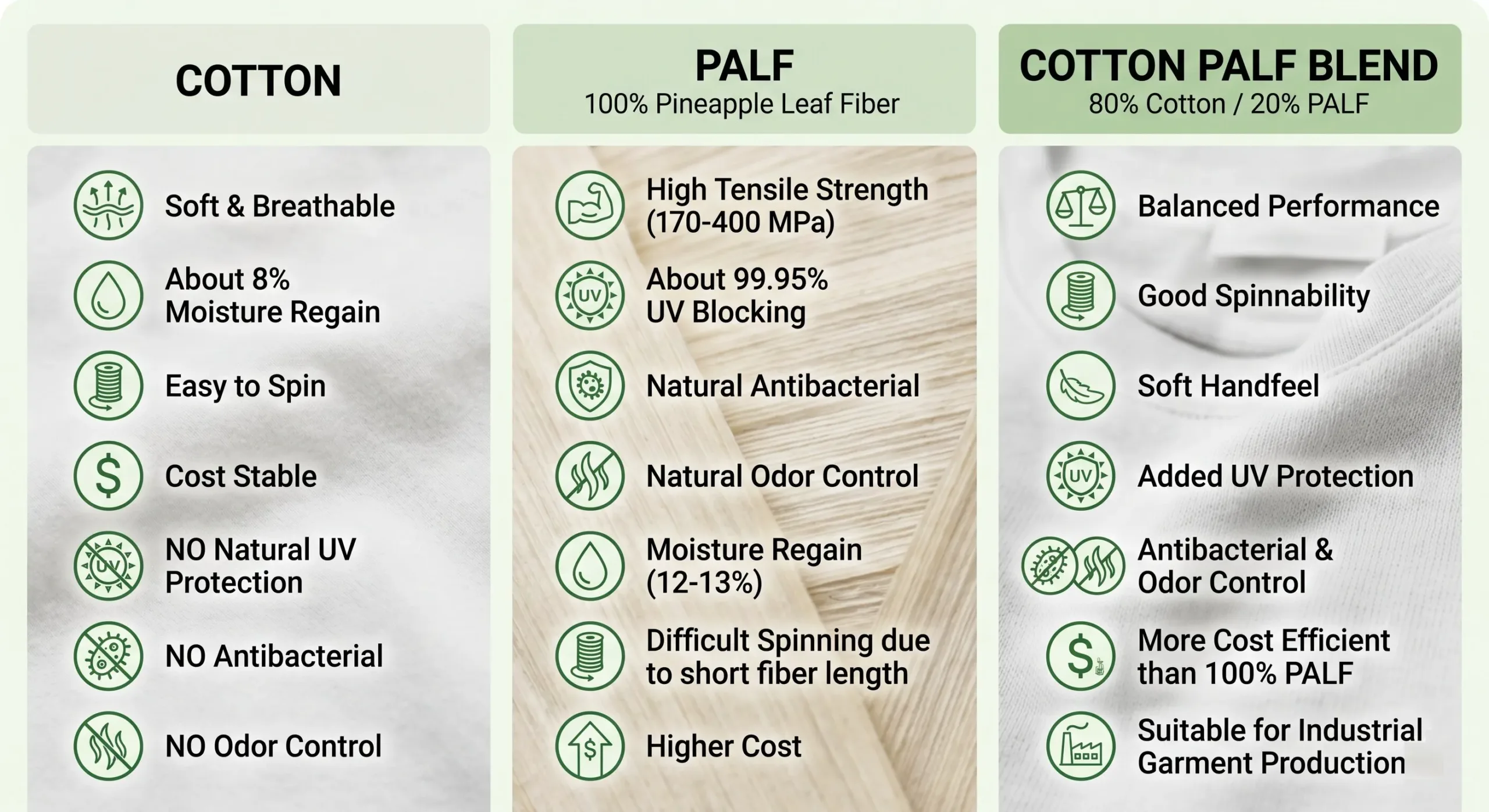
When comparing pineapple fabric vs cotton fabric, it is important to distinguish between two groups of properties. 100 percent cotton is a familiar base, known for its softness, breathability, moisture absorbency of about 8 percent moisture regain, industrial spinnability, and stable cost. However, cotton has no natural UV blocking, antibacterial, or odor control performance. To achieve these properties, cotton typically requires post weave chemical treatment, with performance diminishing after repeated washing.
100% PALF carries the full set of technical properties that cotton lacks: tensile strength of 170 – 400 MPa, about 99.95% UV blocking, and natural antibacterial and odor control. PALF also has higher moisture regain than cotton at 12 to 13% compared to about 8%, which provides better breathability and moisture management. However, 100 percent PALF fiber has limitations at the industrial spinning stage due to its short length and natural crimp. The raw material cost is also significantly higher than cotton.
This is one reason why an 80/20 Cotton/PALF blend is commonly used for garment production: cotton plays the base role by ensuring spinnability, softness, and competitive cost, while 20% PALF adds technical properties directly into the yarn structure. The result is a pineapple fiber fabric that is industrially manufacturable, technically superior to 100% cotton, and more cost-competitive than 100% PALF.
Benefits of Cotton/PALF Pineapple Fiber Fabric
The following table shows how the inherent properties of PALF translate into practical performance benefits in Cotton/PALF fabric applications:
| Feature | Specification | End-use |
|---|---|---|
| Breathability & Moisture Absorption | Moisture regain of approx. 12–13% (PALF fiber), supporting breathability and moisture management | Sportswear, activewear, innerwear |
| UV Protection | UV protection has been observed under laboratory conditions on PALF-blend fabrics (e.g. denim), depending on construction | Outdoor wear, workwear, sportswear |
| Antibacterial Property | Antibacterial performance observed in laboratory testing on PALF-blend fabrics | Sportswear, uniforms, innerwear |
| Odor Control | May help reduce odor buildup during wear, based on laboratory observations | Activewear, workwear |
| Biodegradability | Made from natural fibers (cotton and PALF), biodegradable under appropriate conditions | Wide range of apparel applications |
| Tensile Strength Improvement | PALF fiber tensile strength of approx. 170–400 MPa, contributing to improved durability | Workwear, polo shirts |
These performance characteristics make Cotton/PALF fabric suitable for brands seeking sustainable material alternatives with functional value.
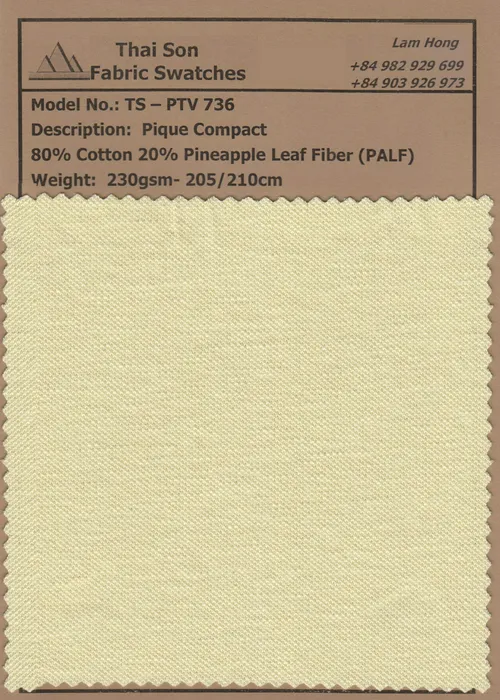
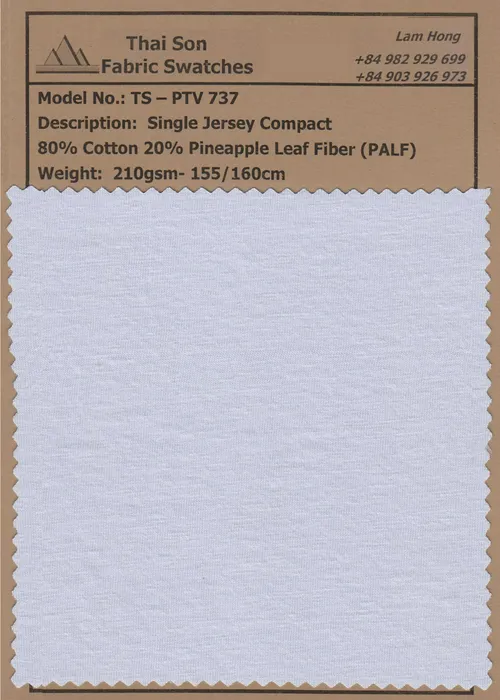
Where to Buy Cotton/PALF Pineapple Fiber Fabric?
Thai Son S.P Knit Fabric is a pineapple fabric manufacturer in Vietnam specialising in Cotton/PALF knit fabric and garment production. If you are looking to source pineapple leaf fiber fabric or Cotton/PALF garments from Vietnam, Thai Son S.P Knit Fabric offers:
- Fabric supply or full-package garment manufacturing (FOB)
- Pique Compact and Single Jersey Compact ready for order
- EVFTA-compliant production enabling 0% EU import tariff
- Made in Vietnam with export-ready production capacity
PALF blend fabric cost varies depending on construction, color, and order quantity.
Explore our full range of fabric compositions to identify the right material for your product development.
Contact us to discuss your project requirements and receive a tailored quotation.
Frequently Asked Questions
Why is Cotton/PALF considered an emerging material?
Cotton/PALF is still in the early adoption stage in global knitwear supply chains in 2026. Brands adopting it early can differentiate in the emerging sustainable materials segment before wider mainstream use.
Why does it create social impact?
PALF is extracted from pineapple leaves, a by-product that is typically burned. Using it generates additional farmer income and reduces post harvest waste costs, a verifiable social impact element compatible with ESG reporting.
Why is it better for the environment than pure cotton?
Integrating PALF reduces pineapple leaf waste while partially replacing cotton, a water and land intensive crop, helping address two environmental challenges simultaneously. Two environmental challenges are addressed through one material choice.
Why does it meet 2026 market requirements?
PALF can support sustainability-focused product development aligned with ESG (Environmental – Social – Governance) and ZDHC (Zero Discharge of Hazardous Chemicals) frameworks, depending on how the final product is substantiated. Manufacturing in Vietnam via a sustainable fabric manufacturer under EVFTA also enables 0% EU import tariff optimization.